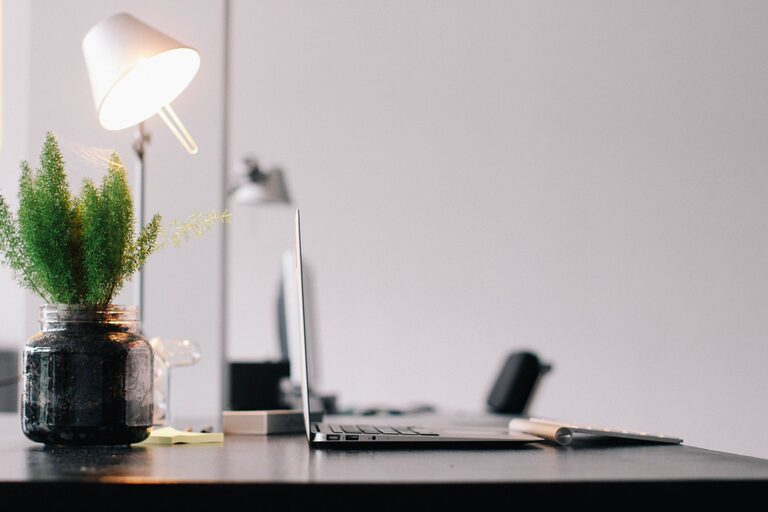
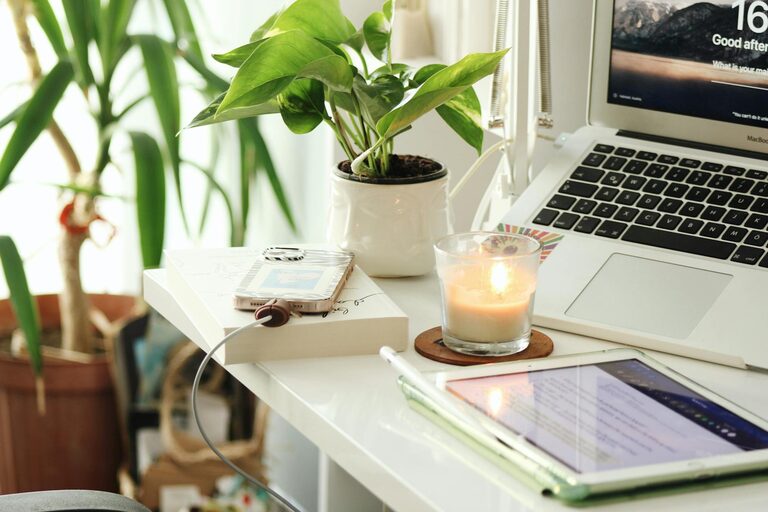
Creating a productive home workspace is essential for anyone working remotely or spending a significant amount of time on personal projects. A well-organized and comfortable environment can boost focus, reduce distractions, and make your workday more enjoyable. Whether you have a dedicated room or just a small corner in your living area, these tips will help you set up a space that supports your best work.
Why a Productive Workspace Matters
Having a space designed specifically for work can help your brain switch into “work mode,” improving concentration and efficiency. It also sets boundaries between professional and personal life, which is important for maintaining a healthy work-life balance.
Choose the Right Location
Consider Natural Light
If possible, place your workspace near a window to benefit from natural light. Sunlight can improve your mood and energy levels, making it easier to stay alert.
Minimize Noise and Distractions
Choose a spot away from household traffic, TVs, or noisy appliances. If that’s not possible, consider using noise-cancelling headphones or soft background music.
Ensure Adequate Space
Make sure your workspace accommodates all your essentials, such as your computer, notebooks, and any other tools you regularly use.
Invest in Ergonomic Furniture
Comfortable Chair
A good, adjustable chair supports your back, helping prevent discomfort during long work sessions.
Functional Desk
Choose a desk with enough space for your equipment and allows you to sit or stand comfortably if you prefer a sit-stand option.
Proper Monitor Placement
Keep your monitor at eye level to reduce neck and eye strain.
Organize Your Workspace for Efficiency
Declutter Regularly
Keep only the items you need daily on your desk. Use drawers or shelves for other materials to maintain a clean look.
Use Storage Solutions
Bins, trays, or organizers can help keep small items like pens, cables, and notes tidy and easily accessible.
Cable Management
Use clips or ties to prevent cords from tangling or cluttering your desk area.
Optimize Lighting
Even with natural light, make sure you have task lighting available. A desk lamp with adjustable brightness helps prevent eye strain, especially during late hours.
Personalize Without Distraction
Add a few personal touches like plants, pictures, or artwork to make your space welcoming. However, avoid overcrowding your workspace with items that might divert your attention.
Set Clear Boundaries
Define Work Hours
Establishing a routine with specific start and end times helps maintain focus during work and enjoy downtime afterward.
Communicate with Household Members
Let others know when you are working and should not be disturbed, especially during important meetings or focused work periods.
Use Technology Wisely
Reliable Internet Connection
Ensure your internet is consistent and fast to avoid disruptions.
Essential Tools and Software
Use productivity apps, calendars, and communication tools to streamline your work and stay organized.
Limit Distractions
Turn off non-essential notifications during work hours to maintain focus.
Maintain Your Workspace
Regularly clean your desk and equipment to create a pleasant and healthy work environment. A tidy space often correlates with a clear mind.
Take Breaks and Move
Remember to get up and stretch or walk around every hour. A comfortable workspace supports your physical well-being, but movement is essential too.
—
Setting up a productive home workspace is more than just buying new furniture. It involves thoughtful planning to create an environment that supports your work style and fosters focus. By following these tips, you can enjoy a more efficient, comfortable, and pleasant working experience right at home.